Thai Matcha: A Stylish Handwritten Font for Modern Branding
A Fresh Look for a Small Bakery’s Packaging
When I met with a local bakery owner looking to refresh her packaging, the conversation quickly turned to typography. She wanted her brand to feel warm, inviting, and handmade—just like her pastries. That’s when I introduced her to Thai Matcha, a modern handwritten font that brings a soft, romantic touch to any design. From the first sample label we created, it was clear this font would elevate her brand in a subtle but meaningful way.
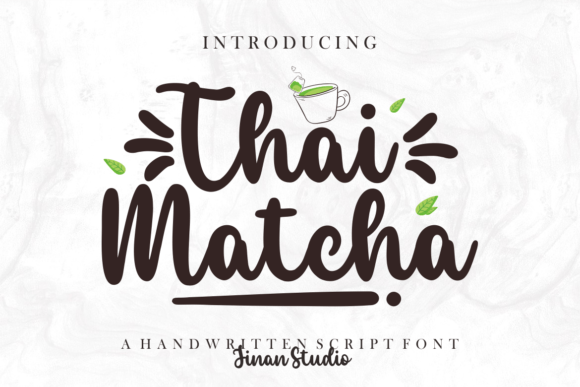
Thai Matcha is a script font with a casual, flowing style that mimics real handwriting. It’s not overly formal like calligraphy fonts, nor is it too playful like children’s fonts. It strikes a perfect balance for small businesses that want to feel personal yet polished. Whether used on bakery boxes, candle labels, or boutique tags, Thai Matcha adds a touch of elegance without feeling stuffy.
How Thai Matcha Enhances Brand Perception
Typography plays a bigger role in branding than many business owners realize. The right font can make your brand feel more trustworthy, recognizable, and professional. Thai Matcha helps small businesses achieve that by giving their materials a cohesive, high-quality look.
For example, we used Thai Matcha on the bakery’s thank-you cards and social media graphics. The font’s soft curves and flowing lines gave a sense of warmth and authenticity. Customers responded positively, noting how the packaging felt “crafted with care.” That’s the kind of emotional response that builds brand loyalty—and it starts with a single font choice.
Perfect Use Cases for Thai Matcha
While Thai Matcha works beautifully in many design applications, it shines brightest in short-form, customer-facing materials. It’s ideal for:
- Logo design for lifestyle brands, bakeries, or wellness businesses
- Product labels on skincare jars, candle containers, or handmade soap packaging
- Menu headings in cafés or boutique eateries
- Instagram stories and website banners for online shops
- Thank-you cards, gift tags, and event flyers
Because of its flowing, connected style, Thai Matcha is best used for headlines, titles, and short phrases rather than long paragraphs. It works well as a display font or decorative accent that draws attention without overwhelming the design. For best results, use it at a larger size where its details can be fully appreciated.
Readability and Practical Design Tips
One thing to keep in mind when using Thai Matcha is readability. Since it’s a script font, some letters connect in a way that may be harder to read at smaller sizes. This makes it less ideal for long blocks of text or tiny product tags. However, for headlines, logos, and short phrases—especially in print or digital media where size can be controlled—it performs beautifully.
For small labels or mobile screens, consider using Thai Matcha in bold or with a clean background to ensure clarity. When designing for packaging mockups or product photography, test the font in different lighting and angles to make sure it remains legible and visually appealing across all contexts.
Font Pairing Made Easy
Thai Matcha pairs exceptionally well with clean, minimalist fonts. To keep the design from feeling too busy, I recommend pairing it with a simple sans serif like Montserrat or Lato for body text or supporting information. This contrast creates a balanced, modern look that’s easy on the eyes and perfect for branding materials.
For a more elegant feel, try combining Thai Matcha with a serif font like Playfair Display or Cinzel for a refined, editorial-style layout. And if you're going for a fully handwritten or script-heavy design, choose a complementary script font that doesn’t compete in style—Thai Matcha should be the standout feature.
What to Check Before Using Thai Matcha
Before downloading and using Thai Matcha for your business, always verify the font’s included styles, file formats, and licensing. Most premium fonts come with multiple weights, ligatures, and alternate characters that expand your design options. Thai Matcha typically includes a range of these features, making it versatile for different uses.
Also, make sure the font supports multilingual characters if your brand operates in more than one language. And importantly, confirm that the license allows for commercial use—especially if you plan to use it on physical products, merchandise, or client work. A quality font like Thai Matcha is an investment in your brand’s visual identity, so it’s worth taking the time to use it correctly.